
Protect Your Vision with Advanced Glaucoma Care
Glaucoma Care Service
Glaucoma is a group of eye conditions that damage the optic nerve, which connects the eye to the brain and plays an important role in vision. This damage can gradually affect eyesight and may lead to permanent vision loss if not detected and managed early.
Glaucoma is often associated with increased pressure inside the eye, but it can also occur even when eye pressure is normal. In the early stages, it may not show noticeable symptoms, making regular eye checkups important for early detection.
Common signs of glaucoma may include gradual loss of peripheral vision, blurred vision, eye discomfort, difficulty seeing in low light, and seeing halos around lights. Timely diagnosis and proper management can help protect vision and maintain better eye health.
Common Symptoms
Glaucoma symptoms may vary depending on the type and stage of the condition. Some common signs include:
Gradual loss of peripheral vision
Sudden eye pain with vision changes in some cases
Blurred vision
Difficulty adjusting to low light
Eye discomfort or pressure sensation
Seeing halos around lights
Since some forms of glaucoma may progress silently, regular eye examinations are important even when no symptoms are present. Early evaluation can help detect changes and support timely management.
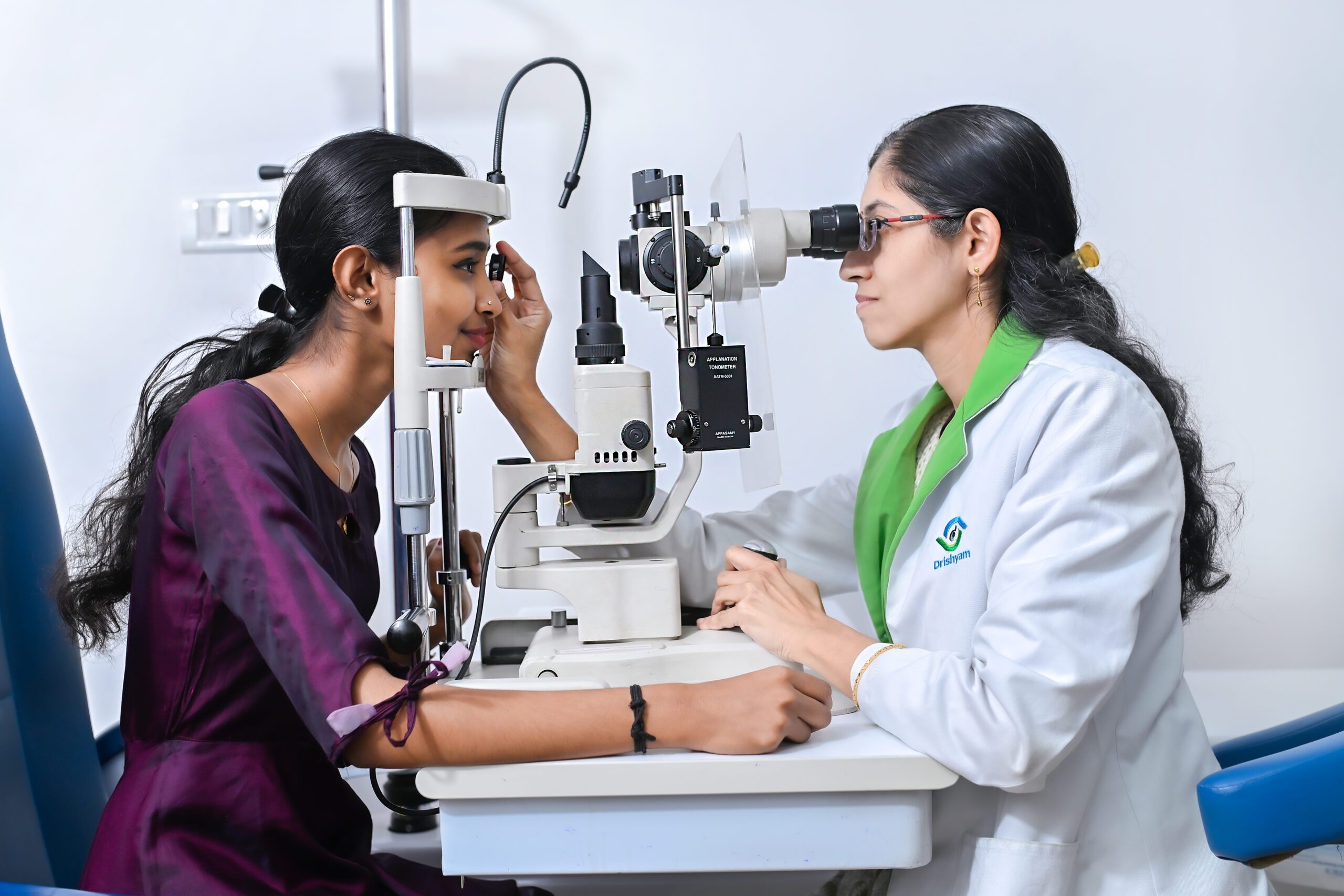
Why Choose Drishyam for Glaucoma Care?
Choosing an experienced eye care centre is important for managing glaucoma effectively. At Drishyam Eye Care Hospital, patients benefit from:
- Experienced ophthalmologists and eye specialists
- Advanced diagnostic evaluation
- Personalised treatment planning
- Regular monitoring and follow up care
- Patient focused counselling and support
- High standards of clinical quality and safety
Frequently Asked Questions
Glaucoma affects the optic nerve and can gradually impact vision. Early detection helps ophthalmologists begin appropriate management and reduce the risk of further vision damage.
Glaucoma damage cannot usually be reversed, but proper treatment and regular monitoring can help manage the condition and protect remaining vision.
People with increasing age, family history of glaucoma, diabetes or other risk factors may have a higher chance of developing glaucoma and should undergo regular eye evaluations.
Yes. Some types of glaucoma may not show noticeable symptoms during the early stages, which is why routine eye checkups are important.
The frequency of eye examinations depends on your age, risk factors, and existing eye condition. Your ophthalmologist can recommend the screening schedule that's right for you.